How Cruise Lines Can Control Their Printing Costs
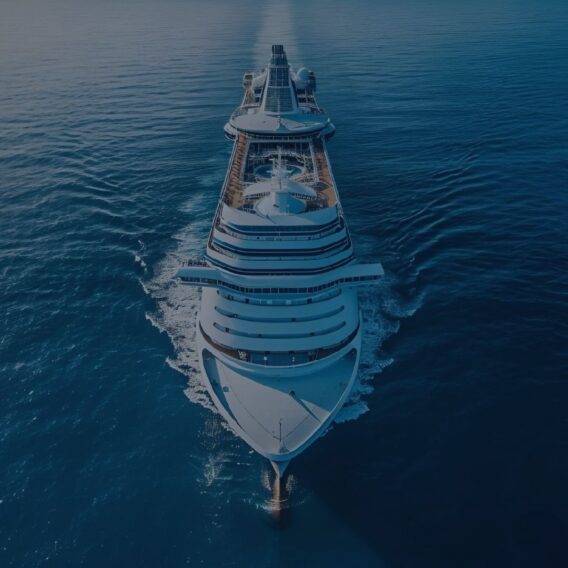
Print environments on cruise ships are often underestimated. They run quietly in the background until something goes wrong. And because no single department is responsible for the entire print infrastructure, costs rise unnoticed.
In most fleets, the IT department selects the devices, hotel operations order supplies, and the finance department only sees fragments of the spending. Without oversight, the print environment becomes a patchwork of ad hoc purchases, inconsistent device choices, and unpredictable consumable usage.
The result? A costly, fragmented printing landscape
What often begins as a practical onboard solution gradually turns into a complex and costly printing environment.
- Overpurchasing due to a lack of insights into volume
- Too many devices, installed without a strategy
- High and unpredictable supply and demand
- Rising hidden costs concealed across multiple budgets
- No central overview of actual printing behavior
A printing environment at sea becomes expensive long before anyone realizes it.
Why Printing Costs Rise Even Faster at Sea
Cruise ships are unique operational environments. What works on land rarely translates into the same cost structure on board.
- Higher guest turnover leads to higher print volumes
Every embarkation and disembarkation triggers a surge in print demand. Boarding passes, safety briefings, activity programs, excursion details, and administrative documents. More rotations = more printing.
- Remote ports complicate supply chains
Small or remote ports often lack access to reliable supplies. Toner, drums, or spare parts cannot simply be delivered overnight, which means ships print more cautiously, stock more, and face higher logistical costs.
- Devices operate under higher pressure
Printers on board experience heavier workloads than those on land. They run for longer hours, produce more pages, and operate in environments characterized by humidity, movement, and temperature fluctuations. This results in:
-
- Faster wear
- Increased supply and consumption
- Higher error rates and service needs
- More volume means more maintenance
As print volumes increase, so do the calls for engineers or external specialists to step in. Every intervention—whether in person or remote—adds to costs and operational strain.
Why Cruise Lines Need Print Management
Without insight, you can’t control costs. Data reveals inefficiencies, unnecessary devices, and usage peaks that cause budget leakage. With structured print analytics, cruise lines can:
- Track costs by ship, deck, department, or device
- Identify inefficiencies and excessive usage
- Predict supply needs for an entire voyage
- Reduce the footprint of devices without affecting operations
- Reduce the operational pressure on hotel teams and onboard engineers
Data transforms printing from a hidden cost center into a predictable, optimized, and manageable part of the operation.